Wheelchair Lifts vs. Home Elevators: Accessibility Solutions Compared
Wheelchair Lifts vs. Home Elevators: Accessibility Solutions Compared
As more homeowners prioritize accessibility, aging in place, and multi-generational living, the demand for in-home mobility solutions continues to grow. Two of the most common options—wheelchair lifts and residential elevators—offer effective ways to improve movement between levels, but they serve different needs and lifestyles.
While both systems are designed to enhance independence and safety, understanding their key differences is essential before making an investment. Factors like space availability, budget, mobility requirements, and long-term plans all play a role in determining which option is best for your home.
Wheelchair lifts are often seen as a practical, cost-effective solution for shorter vertical distances, while home elevators provide a more seamless, full-home accessibility upgrade. Each option has its own advantages, limitations, and ideal use cases.
Key Differences to Consider
Both wheelchair lifts and home elevators are designed to improve accessibility, but they differ significantly in design, functionality, and user experience. Knowing what sets them apart will help you make a confident, informed decision.
If you’re exploring accessibility solutions, here are the most important differences to consider:
Design & Space Requirements
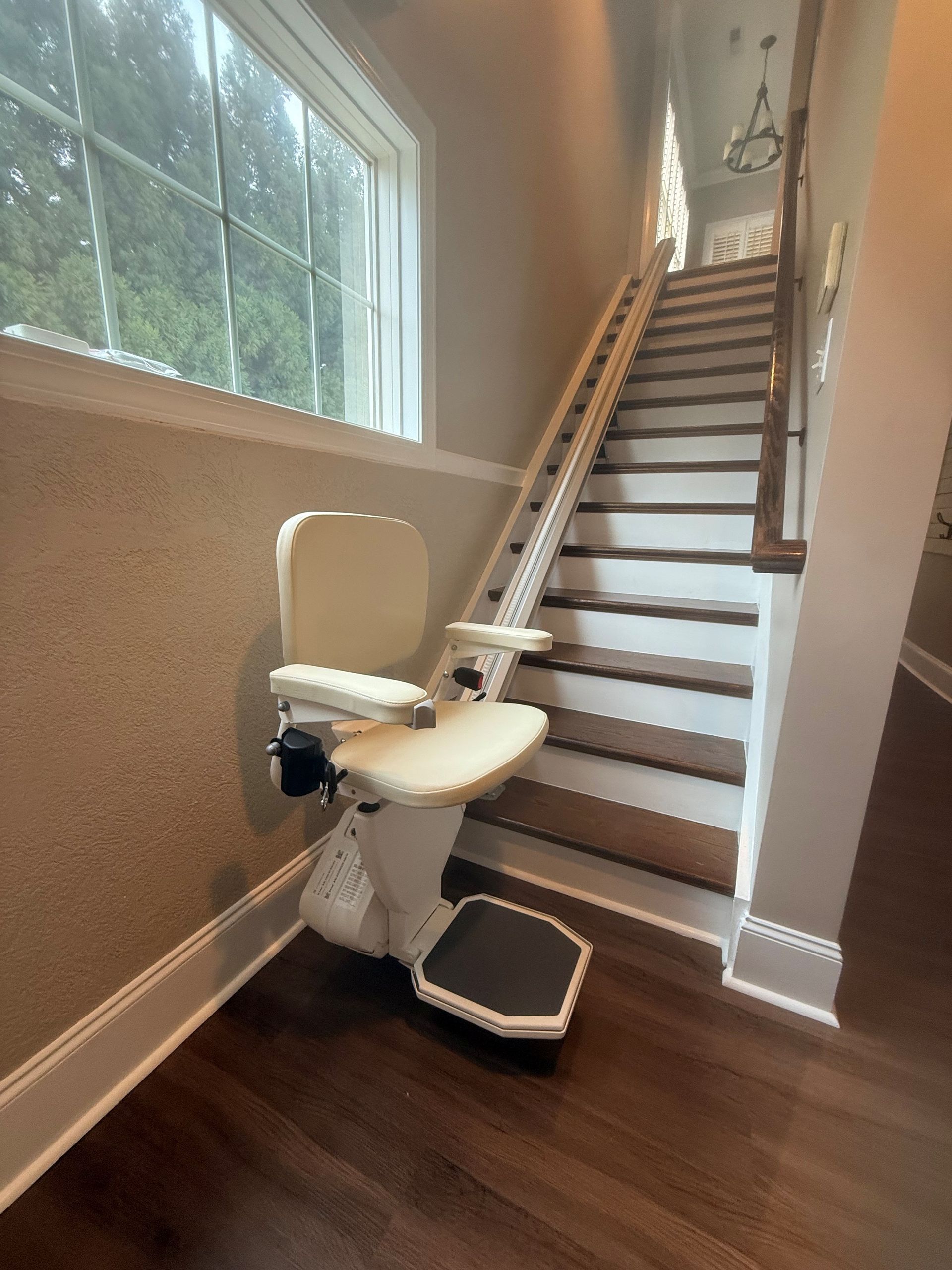
Wheelchair lifts typically require less space and can often be installed along staircases or exterior walls. Home elevators, on the other hand, require a dedicated shaft or enclosed space, making them better suited for homes with available square footage or during new construction or major renovations.
Functionality & Comfort
Wheelchair lifts are designed primarily for transporting a wheelchair and user between levels. Home elevators offer a more spacious, enclosed ride that can accommodate multiple passengers, groceries, or household items—providing greater convenience for everyday use.
Aesthetics & Home Integration
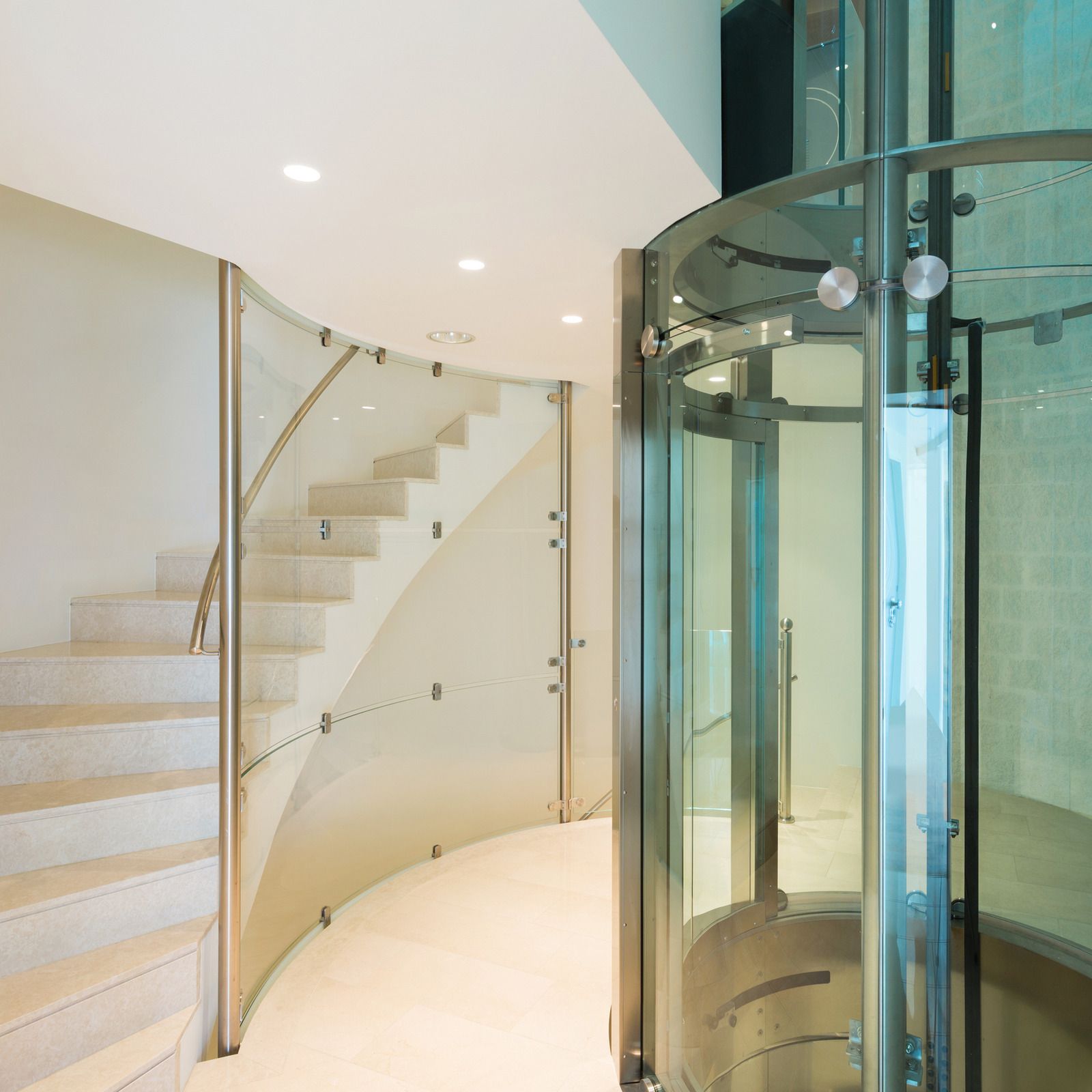
Residential elevators are designed to blend seamlessly into your home’s architecture, often with customizable finishes and styles. Wheelchair lifts tend to be more utilitarian in appearance, prioritizing function over design.
Cost & Installation Complexity
Wheelchair lifts are generally more affordable and quicker to install, making them an ideal short-term or budget-conscious solution. Home elevators involve a larger upfront investment and more complex installation but can significantly increase home value and long-term usability.
Long-Term Accessibility & Future Needs
For homeowners planning to age in place or accommodate evolving mobility needs, a home elevator often provides greater long-term flexibility. Wheelchair lifts are effective for immediate accessibility challenges but may feel limiting as needs change over time.
Which Option Is Right for You?
The best choice ultimately depends on your home, your lifestyle, and your future plans. Wheelchair lifts are ideal for homeowners who need a straightforward, cost-effective way to overcome short vertical barriers—such as a porch, split-level layout, or a few stairs inside the home.
Home elevators, however, offer a more comprehensive accessibility solution. They provide smooth, quiet operation, increased comfort, and the ability to move freely between multiple floors without physical strain. For those looking to invest in long-term convenience, safety, and property value, a residential elevator is often the preferred choice.
Contact Us Today to Find the Right Accessibility Solution for Your Home!
Both wheelchair lifts and home elevators play an important role in improving accessibility, but the right solution comes down to thoughtful planning and professional installation. From evaluating your space and mobility needs to recommending the most suitable system, working with an experienced team ensures your investment delivers safety, reliability, and long-term value.
For homeowners in Charlotte, Concord, Huntersville, Mooresville, and the surrounding North Carolina areas, TD Elevators provides professional guidance and installation services for both wheelchair lifts and residential elevators. Our team is committed to helping you find the right solution tailored to your home and lifestyle while prioritizing safety, performance, and seamless integration.
Beyond installation, TD Elevators offers ongoing maintenance, repairs, and inspections—helping ensure your accessibility solution continues to operate smoothly for years to come. Contact us today to schedule a consultation!